Friday, May 27, 2011

Guatemala souvenirs

I justified all of my Guatemala purchases based on the idea that I was fueling the local economy and supporting the Lema women's group! Also, this was my third time in Guatemala but the last 2 times were during Peace Corps and believe it or not, I was even poorer back than and everything I owned fit in a backpack.

Below are pictures of most of my purchases. The lighter colored fabric items came from the Lema women's group in Atilan. The other items are from either Nebaj, Pana or Antigua. They are items for me or for gifts but I think it would be so neat to have a fair trade website or store some day.

As for the baby items...well, maybe I am jinxing myself but I couldn't resist.Some day...

Boy overalls from Antigua and girl dress from Chichi market with handmade traje details

Lema women's group bag designed by Paula

Lema coasters, bag and Pana table runner

Spice bowls and coffee

Basket from another similar womens' group
http://www.jadesolidarios.webcindario.com/
Fabric from Chich market and letters from Antigua for a special baby gift for a friend


I was looking all over Nebaj for a skirt like they wear but they were all too big or had to be tied with their belts and I wanted elastic. So, the last day the one host family made one for me. Not sure if I will ever wear it but after the gesture...I had to buy it!!

All the women carry their babies on their backs and this is kinda the american version they sell.

My favorites...Chocolates and tea

Thursday, May 26, 2011

Lema

This morning we took a boat ride across Lago Atilan which is a lake within a dormant volcano. It was a spectacular morning with a clear sky and a perfect temperature. We decided to just visit the one town of San Juan but around the lake there are multiple great destinations I have visited in the past.
Lago de Atilan

Boat ride in the volcanoe lake
SolCom (the social entrepreneurship NGO we are with) supports San Juan's entrepreneurial women's group and so we decided to first visit their production site and store. Lema is a textile co-op composed of approximately 8 women that do everything from collecting the plants to dying the cotton and selling their beautiful finished handmade products - all within the compounds of Maria's back yard!

I was completely mesmerized by the whole process and amazed that such an organic method could produce such intricate designs.

Currently the women have to buy their cotton from the city but prior to the tropical storm a few years ago, they had cotton plants in San Juan. The wipe out of their local cotton supply and the overall global increase in cotton prices have both contributed to higher procurement costs and tighter profit margins.  The women also struggle finding a consistent supply of the herbs needed to create the dyes and therefore, they have started saving to invest in seeds for a garden.


Our group discussed other ways to help the business such as moving their finished products to more accessible and profitable locations beyond San Juan and Antigua. There is a website promoting Lema but it needs to be updated and a marketing plan could really help the women sell more for a greater profit. However, the logistics are very complicated since the town is on a volcanic lake within a country lacking infrastructure.

I could see a business student camping out in San Juan for months working with these talented women. Part of me wanted to volunteer myself but I can't quit school with 3/4 of an MBA!


Anyway, the visit was probably my favorite part of the whole trip and I gained so much respect for the women and the art of fabric making. I even tried to use the weave and was shocked by the amount of concentration and labor that goes into each purse, scarf or table cloth. I bought a few gifts after the demo and felt guilty that I had been bargaining so hard earlier in the week for my souvenirs.

The experience helped me see the benefits of working closely with the local talent to help them organize, operate and market their goods so they get the money they deserve! It was a real fair trade lesson far more impactful than any text reading on fair pay in the developing world.
Fair trade women entreprenuers' products


Lema Acociacion de Mujeres Tejedoras store in San Jaun Guatemala
http://www.sanjuanlalaguna.org/eng/eng.html

Tuesday, May 24, 2011

Pana, Guatemala

Homemade Ginger ale to ease the stomach pain


Pana Water Filter Campaign

The girls sold 19 filters!!

Monday, May 23, 2011

blahhhhhh

I can't sleep...my stomach is burning! Ah, the downside of traveling.


 At least I am now in Pana and have a nice hotel with a private bathroom and hot showers rather than cold bucket baths.


 Ahh...its going to be a long night.

Sunday, May 22, 2011

Pictures to tell the story because I am too tired to try...

Transportation to the campaign

Our bathroom option for the day while doing field work

Entrepreneurship Corps and KSU team

Chichi market

Weaving in the highlands

Local tienda

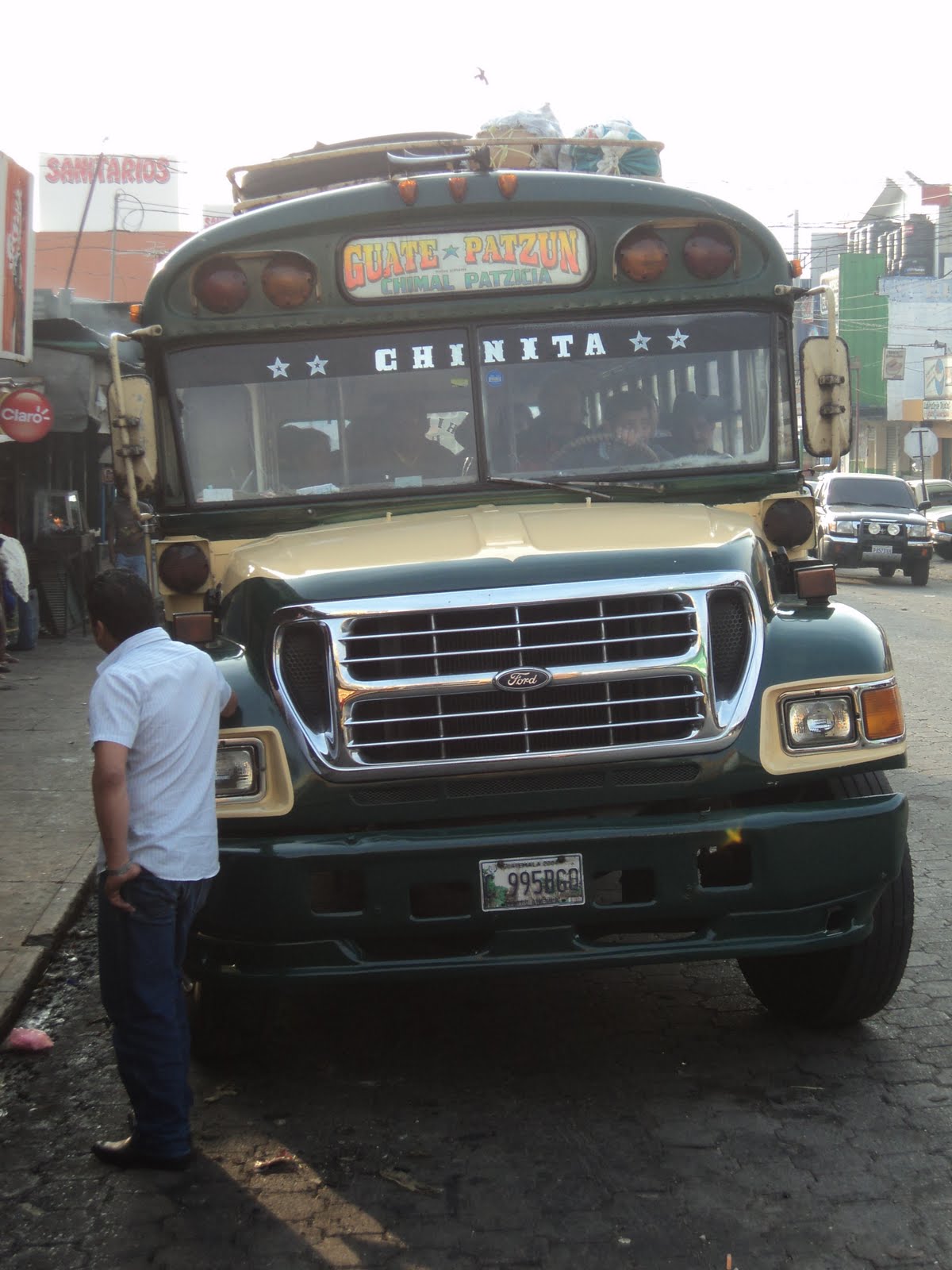
Famous chicken bus- reject US school bus

...and to think we keep our kids in car seats until they are almost grown ups !


Typical food at my homestay: beans, plantains, cheese and tortillas

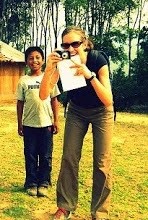
The kids wanted to test my camera so Shane and I posed.

El Centro Creativa crew


Standard Chajul Guate highland home

Little girl posing in Chajul

Thursday, May 19, 2011

La Pista

The best part of the micro consignment model is that it provides sustainable community resources that are not dependent on donor funds. The model distributes the profits first to the Guatemalan entrepreneurs and then invests a percent into new projects such as the Centro Creativa in La Pista.
Although the main objective of the Center is not to directly drive the local economy, the educational services the Center provides do work toward to having a future impact on the development of the community. The Center provides alternative methods for learning and focuses on helping kids think creatively and critically; both are skills necessary for an economy to grow but rarely found here in Central America. Entrepreneurship and general business development require creative problem solving competences and therefore, the Center is contributing to the future economy by investing in the education of today’s youth and future entrepreneurs.


The Center has a library, computer center, creative space (like most kindergartens full of toys that build the imagination) and a kitchen so that the teachers can provide snacks to the students since most are undernourished. The students that attend the school are the ones that have fallen behind in the regular schools and need a bit of extra reinforcement after school hours.
We did a map project today with the youth by recording the different landmarks in town and drawing a map to scale. This community map will then be carved into wood so that the kids that come to the Center will be able to read the map and identify places in town, as well as begin to comprehend the world outside of La Pista. The best part of the day was wondering with the kids and letting them tell us all about the important places they like to visit such as the chocobanano and ice cream stand! I also let one of the girls take picture with my camera and it was fun to later see the world from her lenses.
During our trip we also got to sample Box Bol for lunch which is a traditional food made with a corn paste wrapped in leaves then boiled. You top it off with hot sauce and a pumpkin seed sauce that together create a tasty dish. I have had a little bit of a queasy stomach since I ate it but I am just going to think positively and hope I wake up feeling good!
In addition to seeing the Center and taste testing, the trip to La Pista was fascinating because it was one of the first battle grounds and military bases in the highland area. The military first set up in area in ’82 and after it was attacked by the guerillas in ’86 it grew in size and began requiring the indigenous people to fight. Some people fled to avoid fighting due to their distrust toward the military because they murdered and attacked multiple indigenous villages. We sat for a few hours talking about the war next to a tree alongside the military runway and deep trenches. The stories the Maya man told us about his family and the wartime are too detailed to retell in a blog but my main conclusion is that the Maya have endured some despicable violence and hardships.

Boxboles

Wednesday, May 18, 2011

Telenovelas!

This afternoon we took a micro bus to a small town called Chajul to organize and promote the upcoming campaign. The micro consignment model is structured so that the local Guatemala entrepreneurs generate income from their sales and the products provide a positive social impact on the community.  Chujul is a very poor town and a large portion of the family income comes from the womens’ work making hupiles (the women’s tops) and other textiles. One hupile can take up to three months to make since they are so detailed. Because the women need to have very keen eyesight in order to sow the intricate textiles, the eye glasses are a very popular micro consignment product in the Chajul community.
Our job was to just visit the town, hang up posters and meet with the radio stations to make sure they are promoting the campaign for this coming Friday. The Entrepreneurship Corps partners with other local organizations to create micro franchises and they also partner with youth organizations that provide scholarships to the students who promote and work the campaigns. Creating partnerships within each community is vital because most people do not speak Spanish and are very shy when it comes to foreigners. Plus, it provides jobs and scholarships to the Guatemalans rather than foreigners.
Today as we walked through Chajul, I realized that although I am pretty familiar with most of central and South America, the Maya culture is still so intriguing and mysterious to me. I guess it is partly because most Latin American cultures are strongly represented in the United States but the Maya are misunderstood and often an unheard of minority. The Maya culture however is so uniquely different from Mexican or even other Guatemalan Ladino cultures. For example, the Maya speak 21 different languages, dress in traditional trajes and have a very spiritual way of living. I noticed that for the first time in my life, I was probably as curious and as tempted to stare at the people as the little kids were tempted to stare at me. On the bus I frequently caught myself gazing at the beautiful Cintas the women wore in their hair, their trajes (clothes) and beautiful features that are so distinct to the Maya. I also enjoyed listening to the Maya languages even though I can’t understand anything!
After our campaign, I returned to my host family for a dinner of beans, platanos, tortillas and cheese. And of course after dinner we watched El Triumfo Amor telnovela on TV and discussed how we couldn’t believe the mom was dating such a young boy who then kissed the daughter! I am actually really getting into the family tv time and it was even better when the aunt and grandma came over to join us!
Well bedtime since tomorrow we are going to hike an hour to La Pista in the mountains. Oh, and we also discussed the massacre that happened in Peten Guatemala and yes, the people are mortified and everyone says we should stay away from the department because of the increased violence and military presence.